Contents
- Read the estimate at the right level
- Range options by stock risk
- Practical guide
- Frequently asked questions
- Conclusion
Read the estimate at the right level
PDSA estimates 10.2 million pet dogs in the UK for 2026, compared with 11.1 million in its own previous report. These are survey-based population estimates. Use the consistent source to frame the market. Use actual sales by store and pack type to estimate demand for your new SKU. PDSA Animal Wellbeing Report 2026 population findings.
Start with measurable range differences
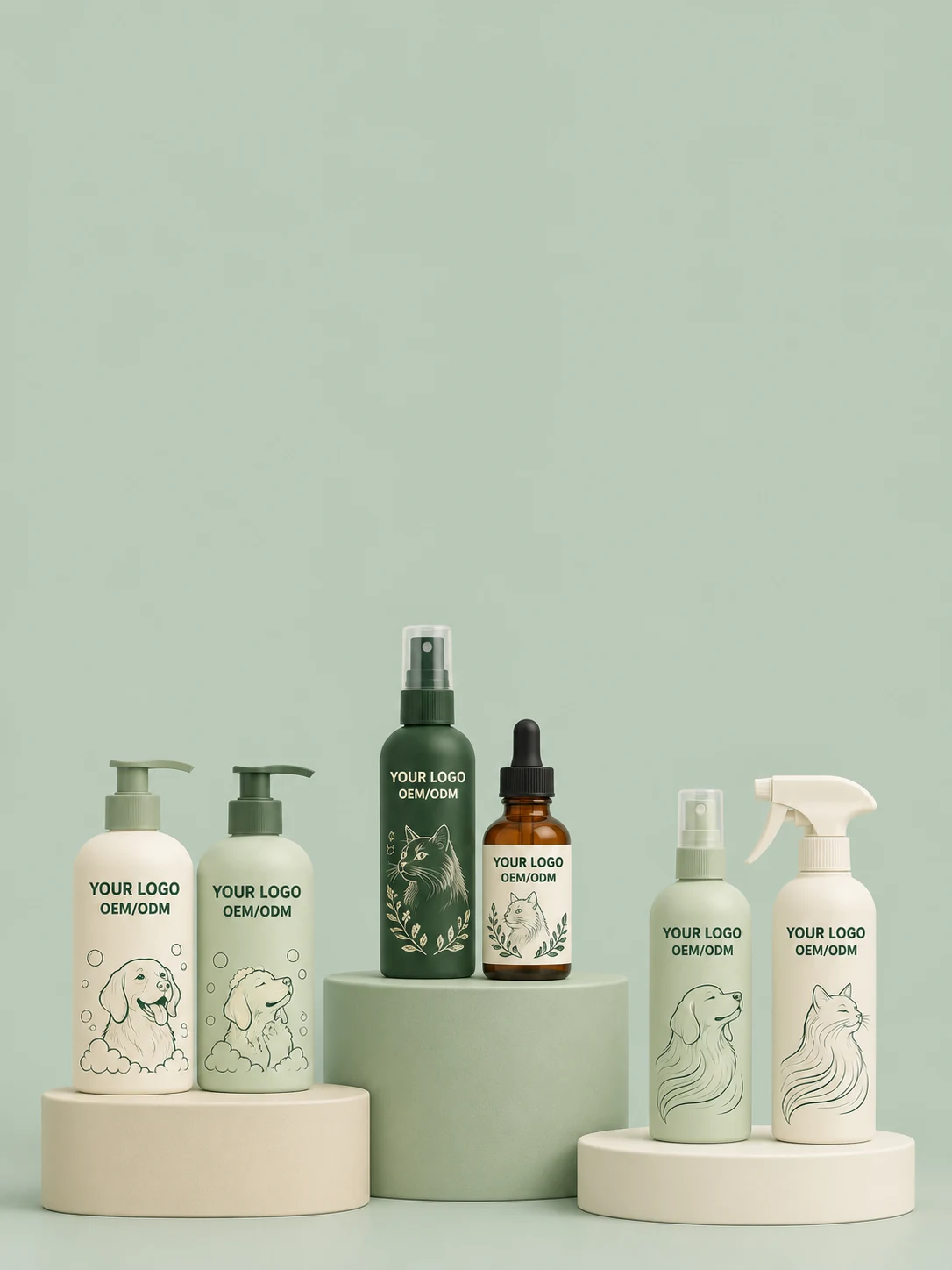
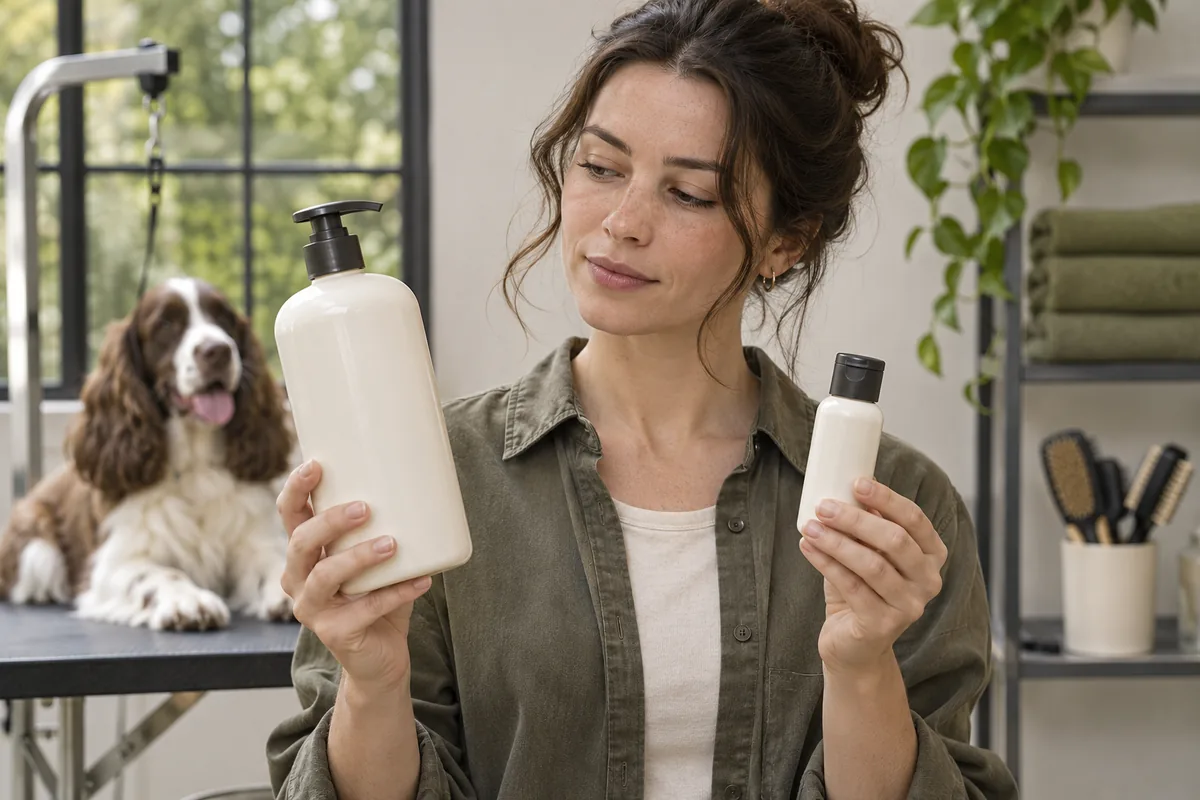
A daily shampoo and a puppy-positioned shampoo solve different buying tasks, but fragrance-only variants can compete for the same shelf slot. Compare daily shampoo and puppy and kitten shampoo as format examples. Ask whether each proposed item has its own directions, target skin and coat profile, and support for the wording on the pack. Record delivered cost per bottle and estimated cost per wash from a tested dose. A larger bottle can offer better product value while taking longer to reorder and increasing parcel costs.
Range options by stock risk
| Option or component | Evidence to check | Buying decision |
|---|---|---|
| Single core SKU | Track weekly unit sales by store, availability and returns. | Easiest basis for a replenishment forecast with limited shelf space. |
| Core plus distinct second use case | Give each SKU its own sales and return codes and compare repeat sales. | Fits a retailer that can explain why each product earns its place. |
| Same formula in two pack sizes | Compare cost per wash, shelf capacity, parcel cost and repeat interval. | Useful if sales from two pack sizes cover the additional minimum and stock carrying cost. |
Practical guide
- Forecast baseline sales from comparable stores over several complete weeks. Mark promotions and stockouts separately.
- Calculate a reorder point as expected unit sales during lead time plus safety stock. Use a buffer supported by demand variability and supplier lead-time history.
- Ask for an order-minimum review by formula and pack. Include landed freight, case quantities and shelf capacity before approving a second SKU.
- Choose a point to review sell-through, repeat orders and returns. Add a variant when the pilot reveals a customer need you can measure.
Frequently asked questions
How much should I buy for the first order?
Anchor the order to the number of stores, comparable sales and confirmed lead time. Negotiate a viable pilot if the forecast falls below the supplier minimum.
What is the cost-per-wash formula?
Divide the delivered bottle cost by the number of usable applications at the approved dose.
Can one carton contain mixed SKUs?
Ask the supplier and the retailer’s receiving team. Mixing changes barcode scanning, minimums and replenishment.
Does the PDSA estimate predict my sales?
It measures pet population, not demand for your brand, wash frequency or store conversion.
How do I compare two population surveys?
Check year, respondent base, questionnaire and estimation methods before drawing a comparison. Use the same data series for changes over time where possible.
What if stores were out of stock in the pilot?
Flag the affected weeks. Estimate baseline demand from in-stock periods or record the lost-sales uncertainty.
Why quote two sizes of one formula separately?
Each can have its own bottle, label, minimum order, pack-out and shipment economics even when the bulk formula is shared.
When should a test SKU become permanent?
When in-stock sales, margin and return reasons show it adds demand or serves a distinct buying task at viable stock levels.
Conclusion
Build the launch quantity from store-level evidence. Use the PAW Report to frame the market, then rely on test sales and lead time for replenishment.
WhatsApp +86 15346717907
Email adon@oempetcaresupplier.com
Website oempetcaresupplier.com