
Pet Product Industry Insights
Practical articles from our R&D, perfumery, and compliance teams on surfactants, fragrance safety, odor control, and export documentation.
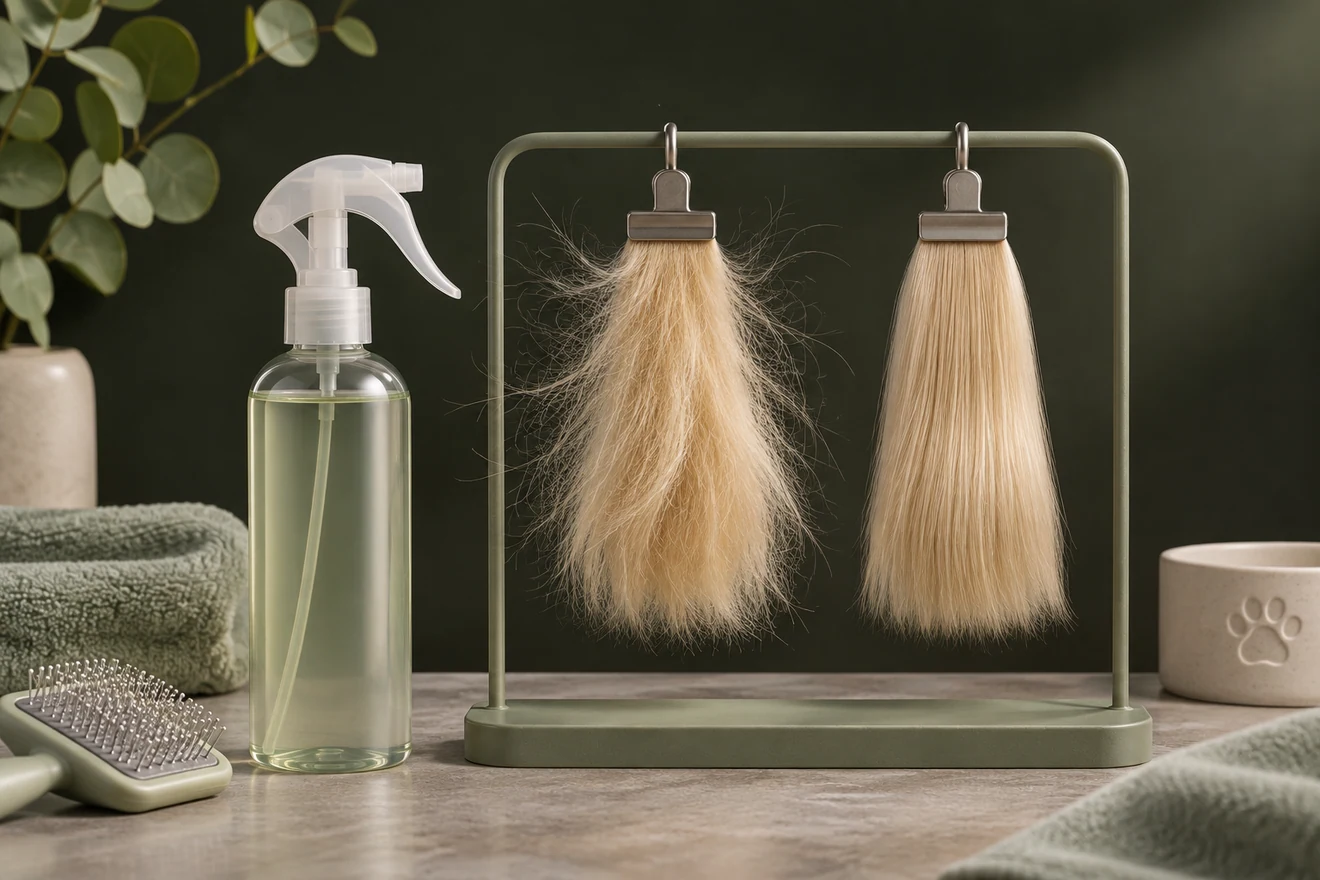
Anti-Static Dog Grooming Spray OEM: How to Check Flyaways
Ambient moisture and brush material can change static behavior before any spray is applied. For a private label buyer, the first sampling round is the place …
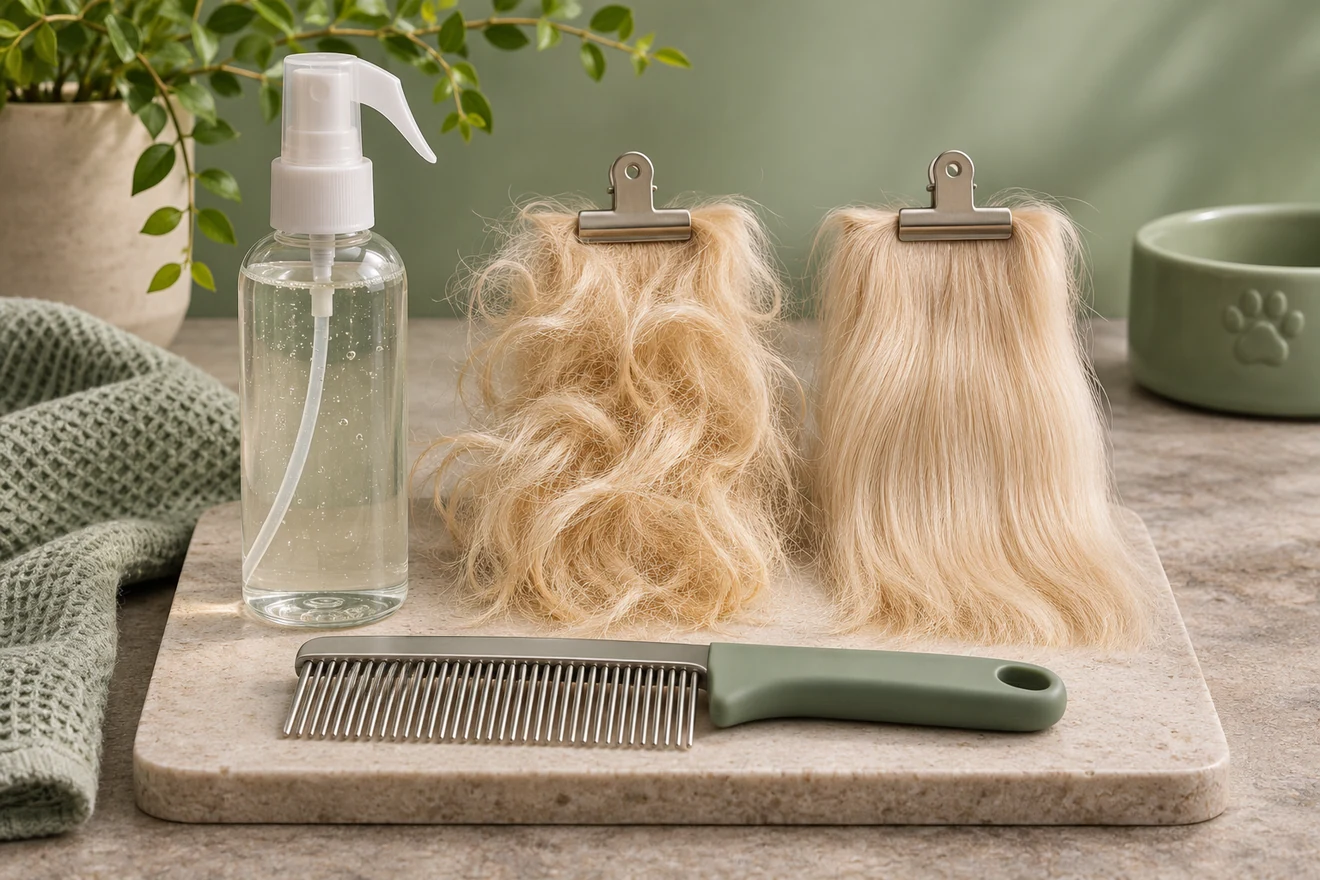
Private Label Dog Detangling Spray: Testing Slip and Residue
Comb drag can look lower simply because the operator changes direction, angle or number of passes. For a private label buyer, the first sampling round is the…
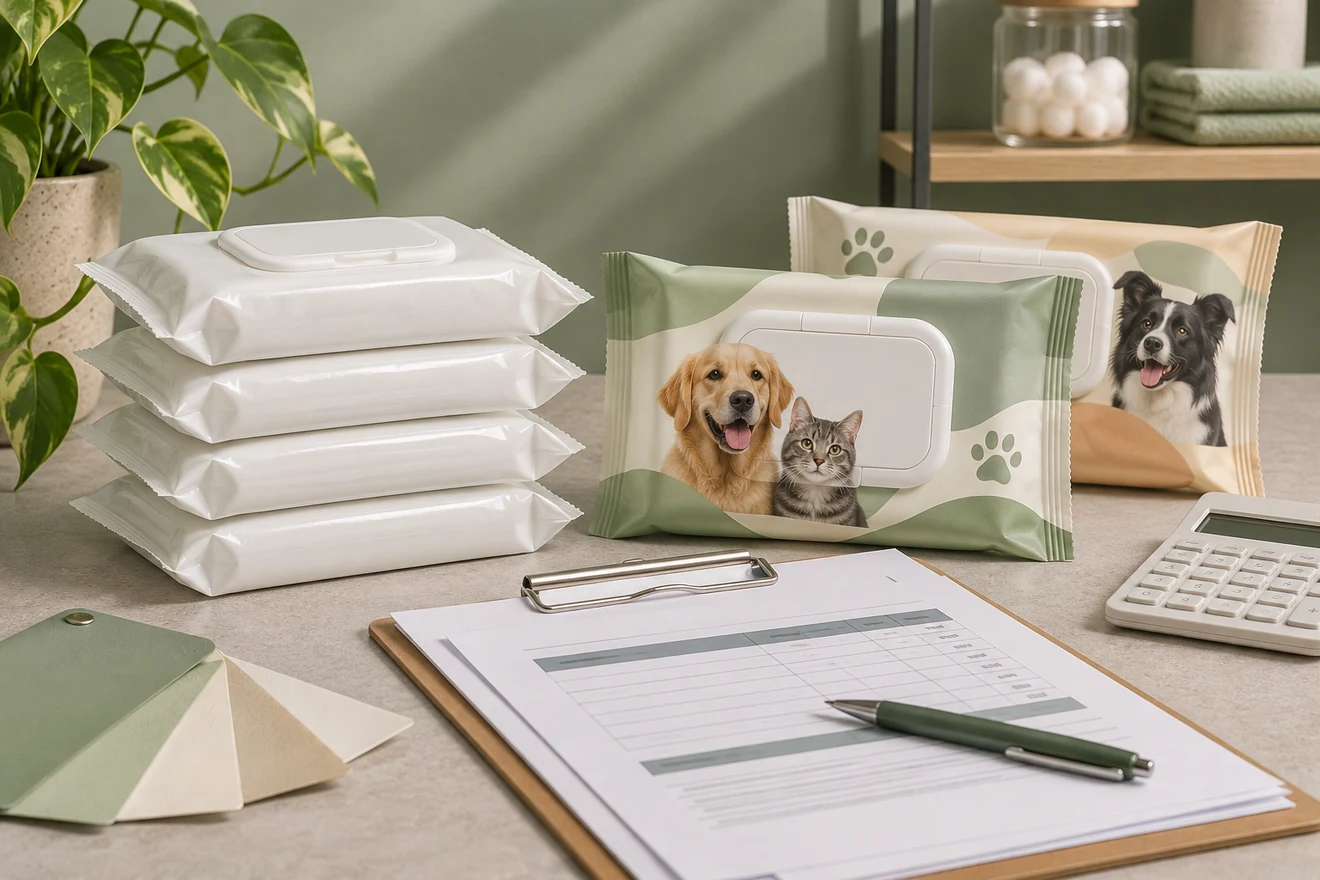
Low-MOQ Pet Wipes: What the Minimum Order Actually Covers
A small finished-pack minimum can coexist with an expensive nonwoven or printed-film commitment. For a private label buyer, the first sampling round is the p…
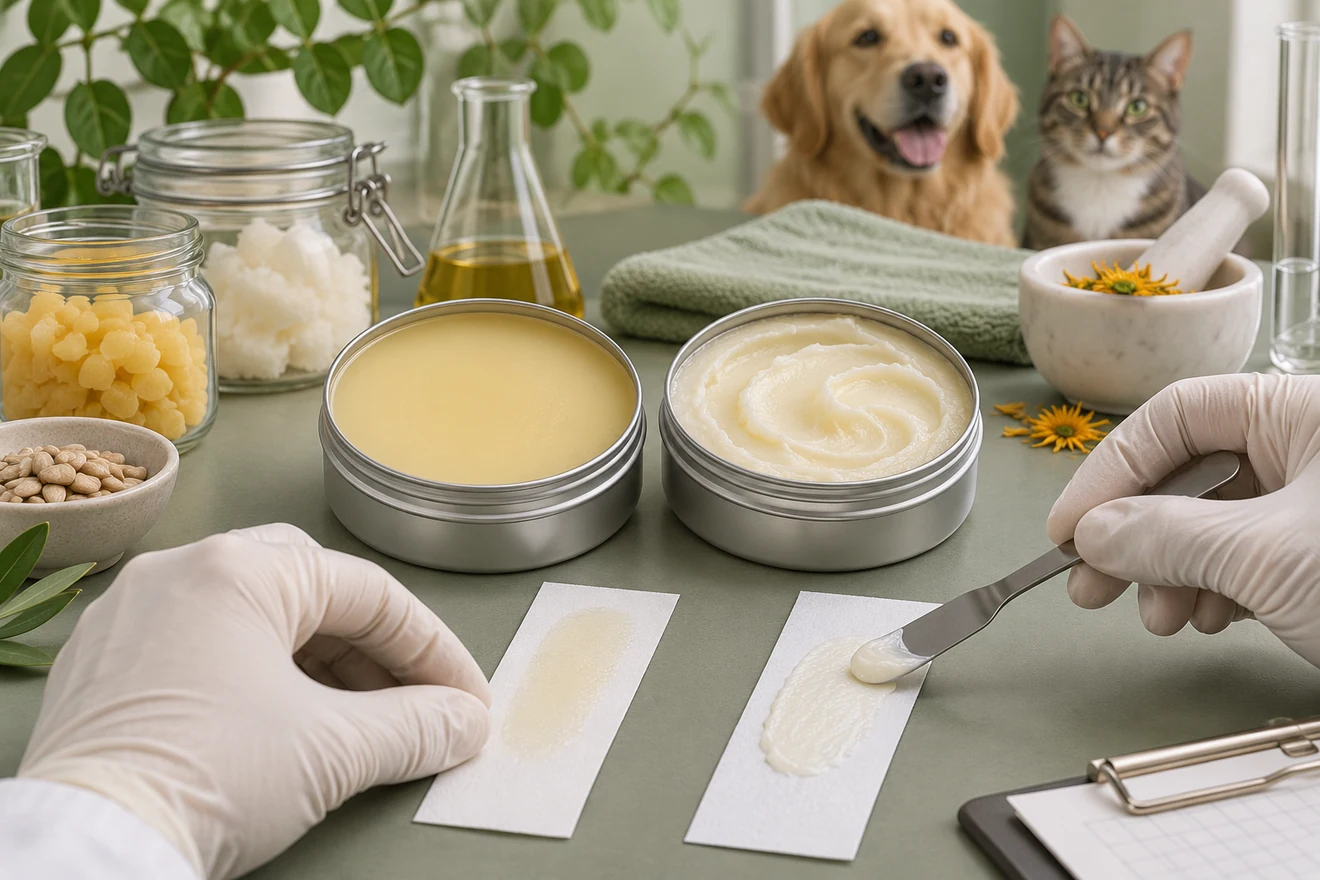
Private Label Pet Skin Balm: What to Specify Before Sampling
A balm with strong payoff may transfer to bedding or be harder to control during application. For a private label buyer, the first sampling round is the plac…
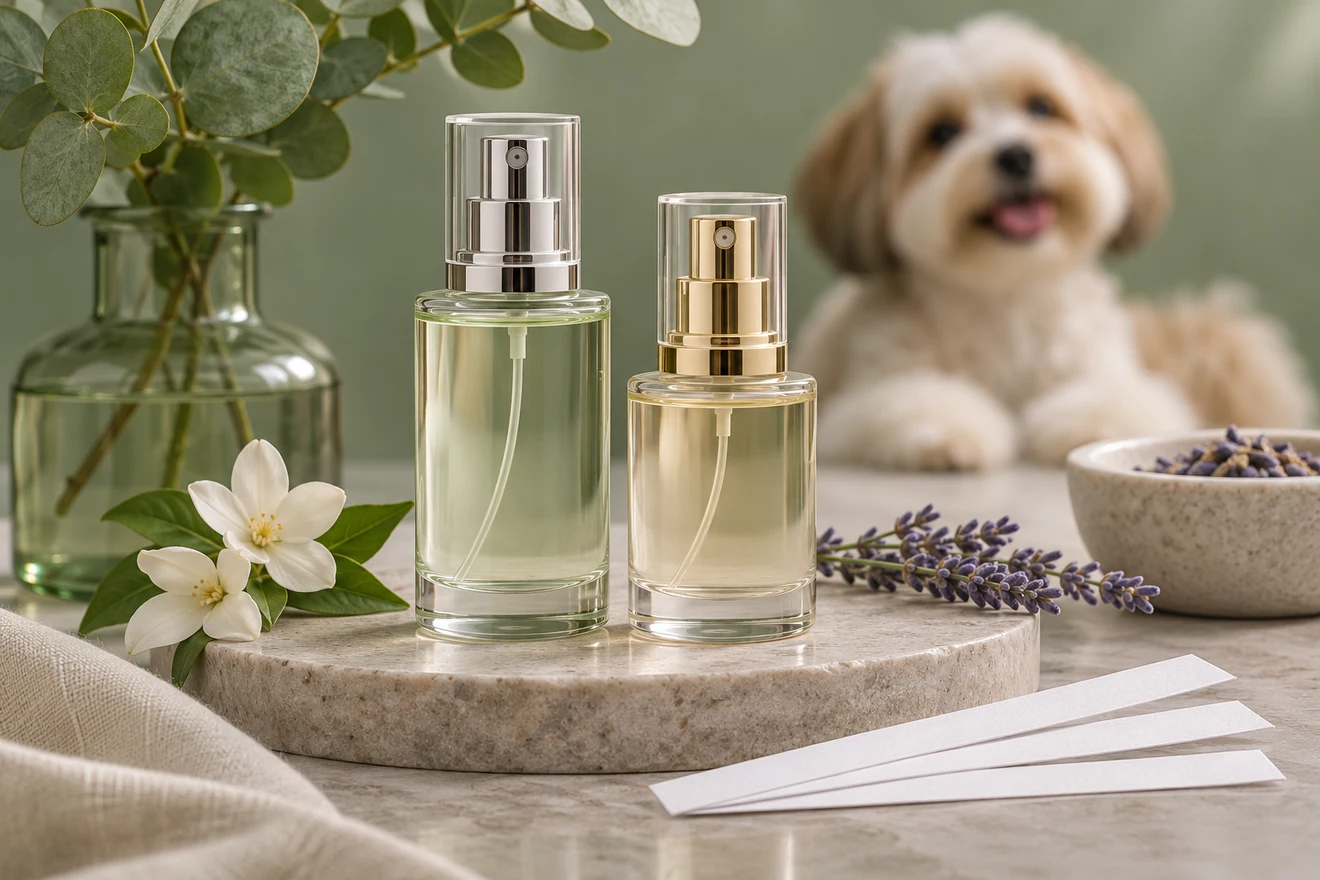
Private Label Dog Perfume: Defining Scent, Dose and Pack
A prototype evaluated from a scent strip can smell different when atomized onto a coat swatch at the intended dose. For a private label buyer, the first samp…
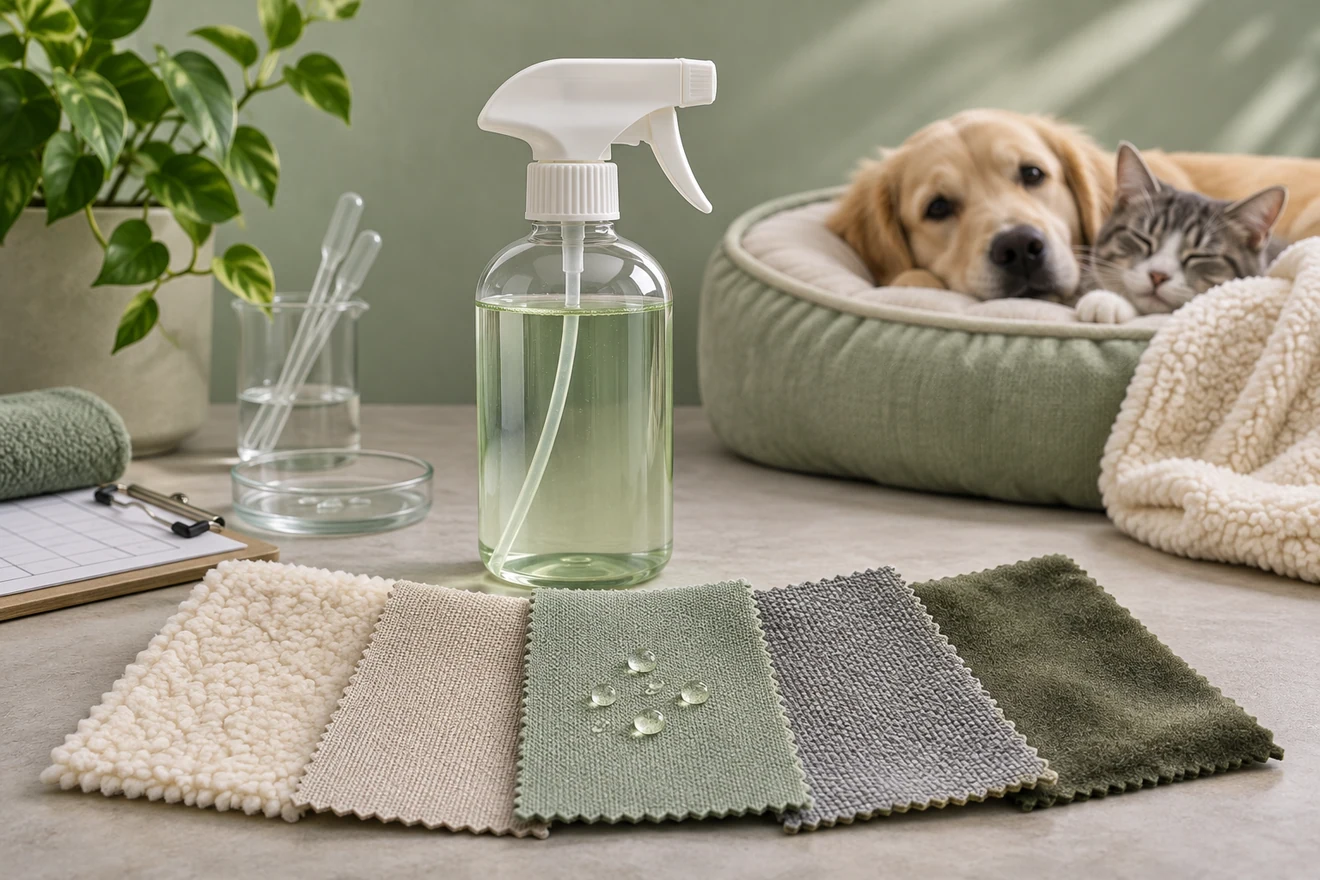
Pet Bedding Deodorizer OEM: Testing Fabrics Before Ordering
A finished spray can leave marks on a dark textile or change the feel of a light fabric even when the scent is acceptable. For a private label buyer, the fir…