Choosing a dog shampoo formulation route is an investment decision. A stock formula can simplify development when it already matches the brief. A fragrance change or a different cleansing system can add work, even when the bottle looks identical. This guide compares three routes and shows what to document before a sample becomes the reference for production.
How the three formula routes work
An existing base has a documented starting point
Ask for the formula reference, target appearance, viscosity range and intended use instructions. Review cleaning, lather, rinse feel and the finished coat in the same conditions. A sample from the same base can still perform differently if the water hardness, application dose or rinse method changes. Use the daily pet shampoo and oatmeal pet shampoo pages to describe the product direction you want to discuss.
Changes can affect formulation and packaging together
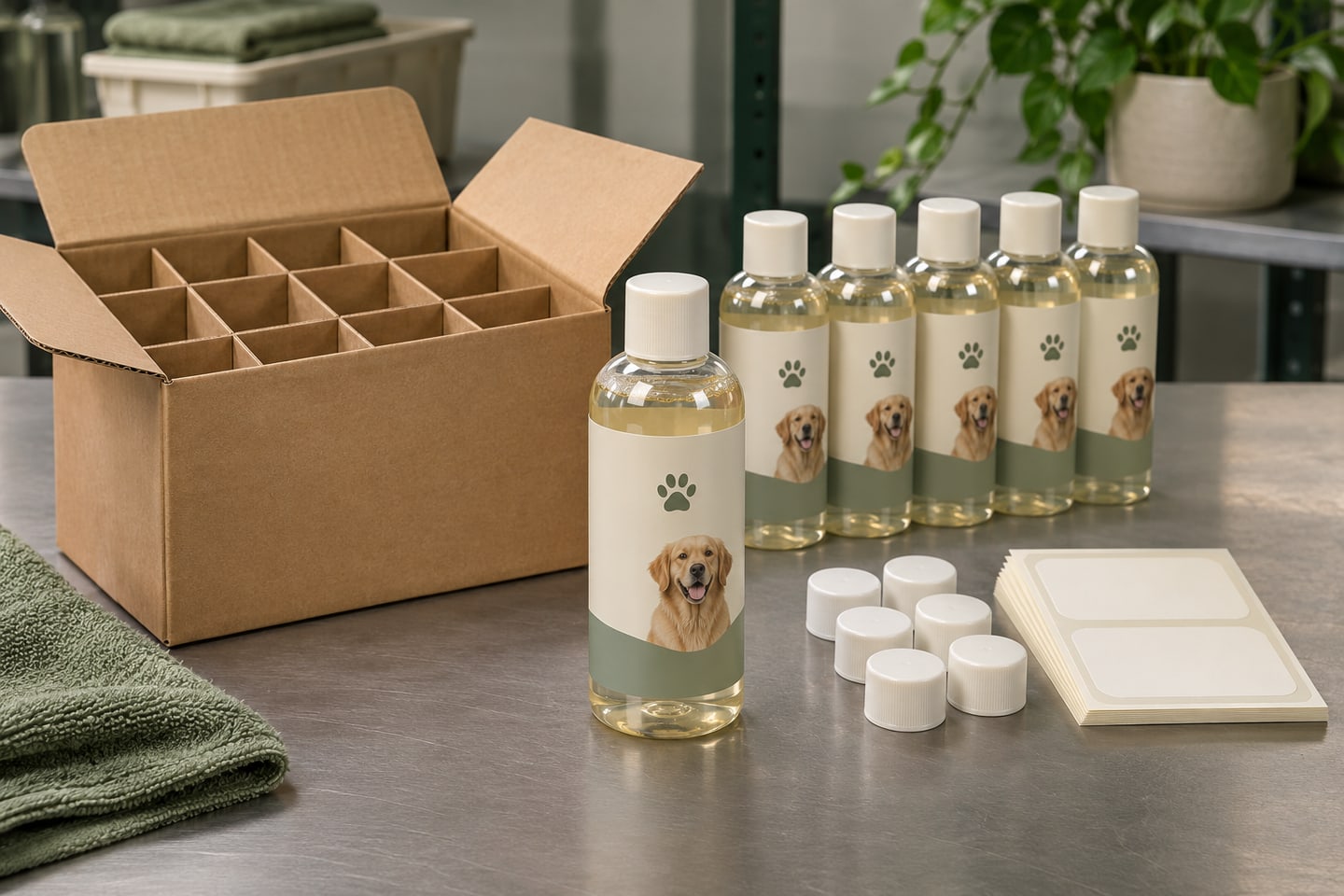
Surfactants drive cleansing, while conditioning ingredients can change comb-through and rinse feel. Fragrance additions may affect clarity, odor stability or viscosity. pH can affect formula stability and preservative performance, so ask for the proposed range and the measurement method. If you switch from a squeeze bottle to a pump, ask whether the viscosity and dispenser output still suit the product. The OEM and ODM options give you a starting point for the scope discussion.
Change one variable when comparing prototypes
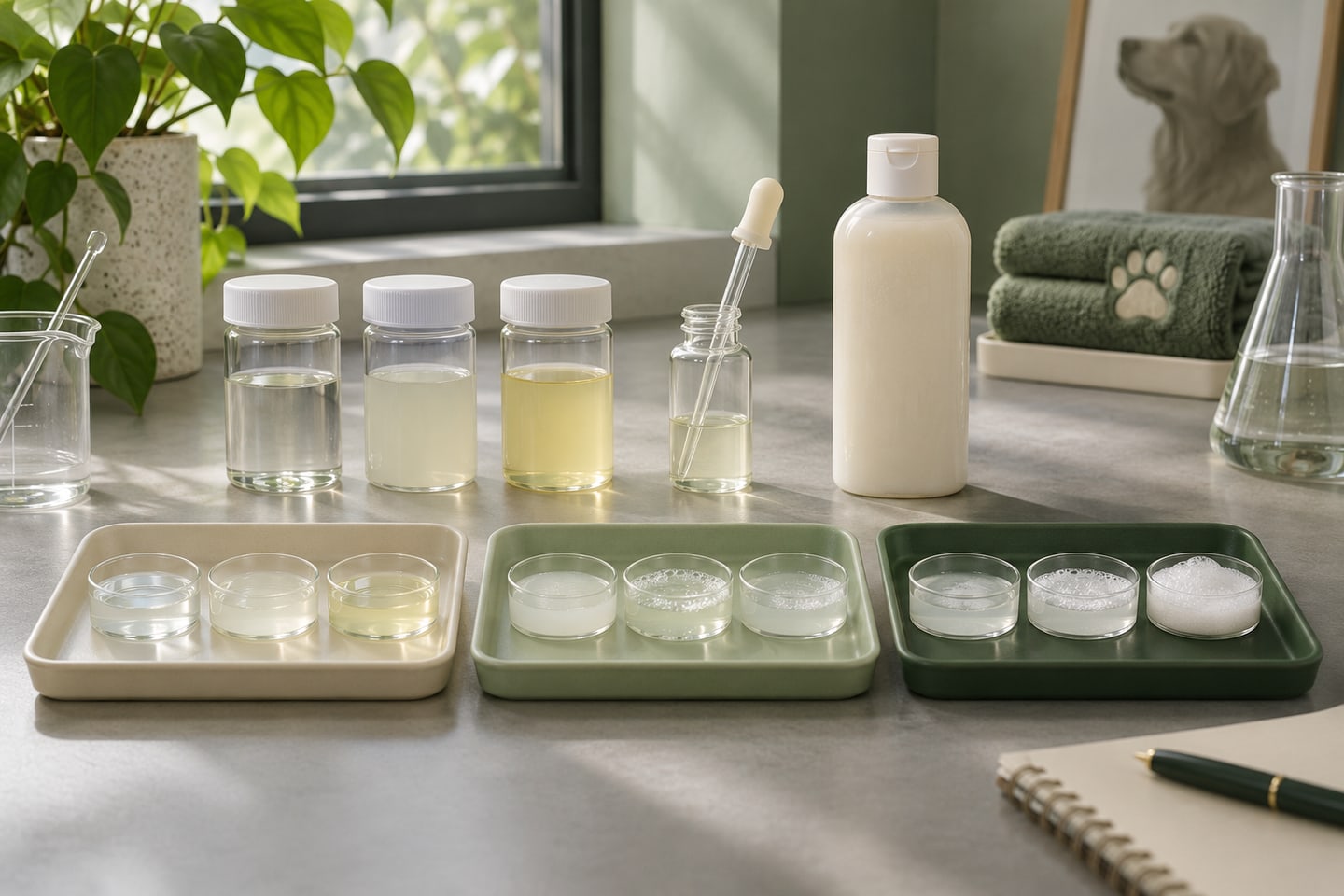
Ask the supplier to pair the original sample with a revised sample and identify the change on a separate sheet. Request the same package and test conditions for both. Decide the pass condition first, such as an acceptable scent level at the intended dose and comparable rinse performance. If several aspects must change together, ask for the reasons and how the supplier will distinguish meaningful changes from sample variation. Carry the chosen route into the custom formula brief guide.
Compare development cost, control and testing
| Route | Decisions you control | Budget and timing questions | Evidence to review |
|---|---|---|---|
| Stock formula | Packaging and artwork within agreed options | Are stock components available, and is there an artwork setup fee? | Formula version, existing evidence and compatibility of your final pack |
| Semi-custom formula | Selected attributes such as fragrance or appearance | How many sample revisions and additional checks are quoted? | A dated change list and evidence covering the changed attributes |
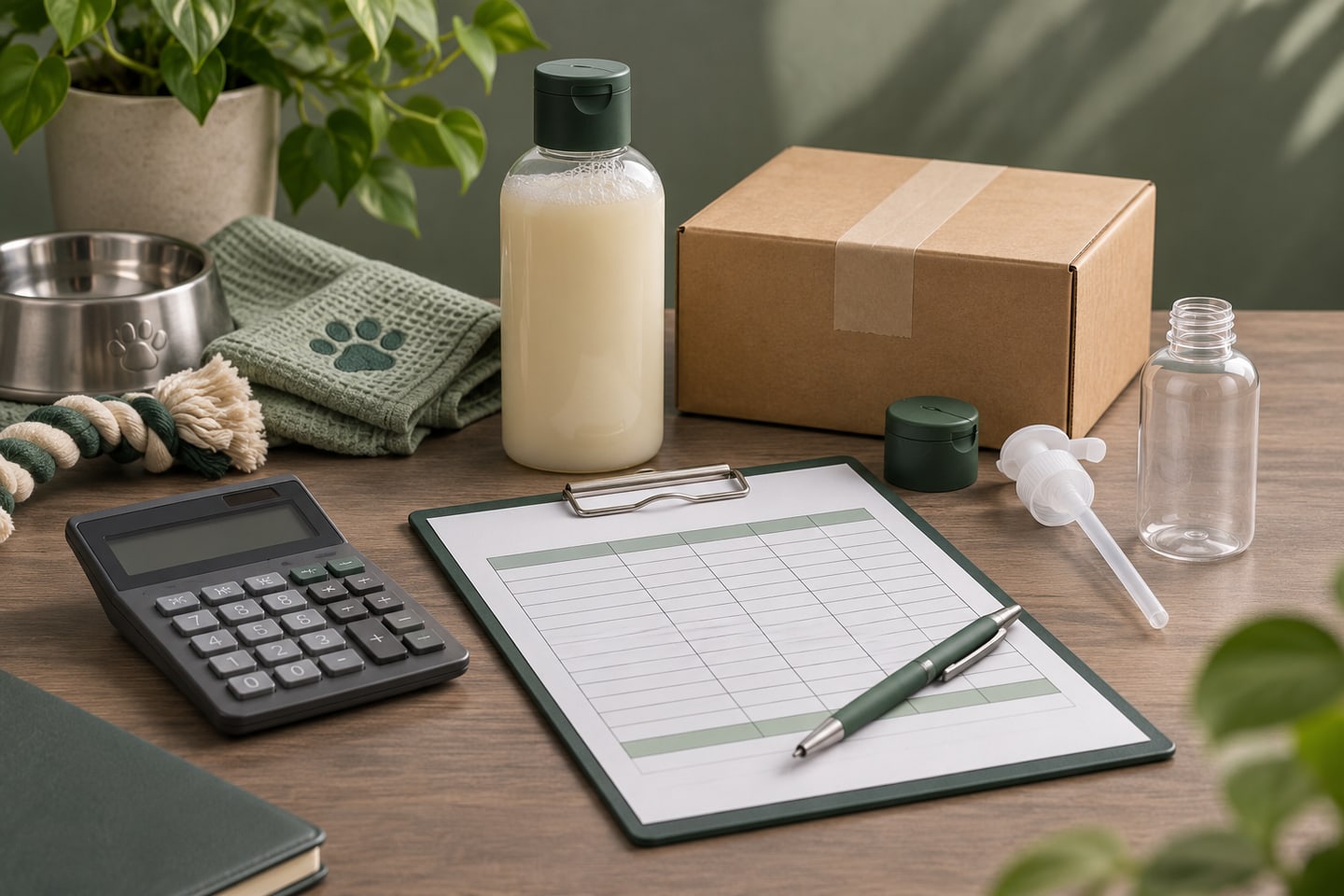
| Fully custom formula | Product brief, performance targets and agreed exclusions | Who pays for development, testing and scale-up? | Signed specification, pilot review, rights and change-control terms |
Agree on rights before development starts
Ownership, an exclusive right to sell and the ability to transfer manufacture are different contract terms. Set the territory, sales channel and duration of any exclusivity. Ask what documentation you can receive, whether disclosure under confidentiality is possible, and which materials or methods remain controlled by the manufacturer. For U.S. sales, review the proposed label and listing for intended use. The FDA’s March 2019 policy guide covers products intended solely to cleanse or beautify animals, and the FTC expects a reasonable basis for objective advertising claims. FDA grooming-aids guide and FTC substantiation policy.
Practical guide to choosing a formula
- Write the use case, coat profile, sales market, launch date and packaging format on one page. Identify the three attributes a reviewer can actually judge.
- Ask for the closest stock reference and mark each unmet requirement. Score it for cleansing, rinsing and coat feel under the proposed directions.
- Request a semi-custom route for a specific gap. Ask which tests need to be updated and which evidence already covers the proposed change.
- For custom development, agree on revision fees, approval criteria, ownership, substitutions and the documentation issued with production. Arrange the first review through sampling and development.
Frequently asked questions
General procurement questions
Can I send a benchmark product?
Yes. Describe which measurable characteristics you want to match, such as pump dose, scent level or rinse behavior.
Should the label be finalized before sampling?
Draft the label early. Release final artwork after the product specification, directions and supported claims are agreed.
What information belongs in a formula brief?
Include the intended application, target market, performance priorities, packaging, forecast and any ingredient exclusions.
Questions about formula routes
Is semi-custom dog shampoo formulation suitable for a first launch?
It can suit a brand when a base already performs well and the proposed change solves a concrete positioning or usability issue.
Does adding a fragrance require a new review?
Yes. Ask the formulator what the change means for stability, preservation, compatibility and claim support.
Can I own a formula after paying a development fee?
Only if the agreement grants those rights. Read the clauses on ownership, exclusivity and production transfer separately.
Can a custom formula begin from a factory base?
Yes, if the parties agree on the starting point. Ask which parts of the base are proprietary and which deliverables you receive.
What if a raw material becomes unavailable after approval?
Require a written change request, an impact review and agreement on any repeat testing before approving a substitution.
Conclusion
Test the closest stock base first, then spend on changes that solve a verified gap. Record the approved formula version, test scope and rights before paying for scale-up.
Discuss your OEM or ODM project with MUYE
WhatsApp: +86 15346717907 · Email: adon@oempetcaresupplier.com · Website: oempetcaresupplier.com